


Why make dehydrated pet food?
Benefits of dehydrated pet food
Whether you run a pet-friendly business or currently own or are considering one of our dehydrators for at-home use, the advantages of making your own dehydrated pet food go beyond the benefits for the animal. See below for some of our top reasons for creating dehydrated pet food.
Benefits for butchers and businesses
- Boosts your revenue by tapping into this lucrative and expanding market.
- Minimises waste and, therefore, the environmental impact from converting almost every part of the animal into a profit maker.
- Increases profit per unit sold as dehydrated pet food/treats command a higher price point compared to raw offal and offcuts.
- Creates a unique selling point and offering, strengthening customer loyalty and attracting new clientele seeking the best products for their pets.
- Dehydrated pet food maintains a long shelf life, avoiding product spoilage.
Benefits for pet owners
- Gives you control of the ingredients, ensuring there are no preservatives or fillers, which are often found in commercial, mass-produced products and can be harmful to your pet.
- Allows you to tailor recipes to your pet's specific dietary needs and preferences.
- Preserves the nutritional value of the ingredients so your pet gains the essential vitamins, minerals and proteins that contribute to a well-balanced diet, being that dehydrated pet food has a greater concentration of nutrients than kibble.
- Creates treats with a long shelf life, so if dehydrated and stored correctly, they can last for months.
- Dehydrated pet food is lightweight, easy for travel, and takes up minimal storage space.
- Results in long-term savings as it’s more cost-effective than store-bought options.
If you’re a pet owner, much of your income is likely spent on your pet. Owning a pet can be expensive, from vet visits, daycare, registration, vaccinations, and essentials like collars, leads, beds and home accessories. Pet food will likely top that list, and being a daily requirement, owners will often find themselves paying premium prices for high-quality, natural pet food and treats. Creating your own dehydrated pet food and treats at home can be a huge money saver and will keep your animal happy, too. See our quick cost comparison below.
Dehydrated pig’s ears 10 pack = €19.00
Raw pig’s ears 1 kg = €12.50
Dehydrated rabbit jerky 150 g = €11.00
Raw rabbit 1 kg = €7.50
Dehydrated chicken necks 150 g = €6.00
Raw chicken necks 1 kg = €4.50
Seasonings for dehydrated pet food
As with dehydrating meat for humans, you can also choose to season meat before dehydrating to provide added flavour and nutrients to various dehydrated treats for pets, including jerky, bites and sticks and an assortment of biscuits and chips.
It’s important to know which herbs and spices are safe for pets to consume as some can not only cause upset stomachs or health problems but can actually be quite toxic and harmful to animals. Remember that while our four-legged friends will welcome and appreciate the extra flavour, adding them in moderation and only occasionally is essential. See our suggestions below of which seasonings are safe for dehydrated pet food and treats and which to avoid altogether.
Seasonings safe for dogs
- Rosemary – adds a woody flavour and can boost heart and immune health while having antibacterial properties.
- Parsley – helps to freshen pets' breath and has anti-inflammatory properties. It supports arthritis symptoms and even prevents the growth of cancer cells.
- Basil – rich in vitamins A and K, which support eye and skin health. It can also assist with overall blood health by regulating blood sugar, therefore helping pets with diabetes or hypoglycemia.
- Dill – another remedy for bad breath, it supports healthy digestion and can deter an upset stomach, cramps or smelly gas.
- Turmeric – contains antioxidants that support wound healing, decrease inflammation, and have antimicrobial properties.
- Cinnamon – has anti-inflammatory properties that help with joint pain and stiffness, especially in older animals. It can help increase circulation, fight hypertension, and add great flavour to dehydrated pet biscuits and chips.
- Ginger – offers great digestive support and helps to overcome nausea and vomiting in pets with sensitive stomachs. It can also help to kill heartworm larvae in infected pets.
Seasonings unsafe for dogs
- Cocoa powder – is one of the most dangerous forms of chocolate for dogs due to its high content of theobromine, which is a compound found in cacao plants. Large amounts can cause an upset tummy and serious issues like organ failure.
- Salt – can cause hypernatremia (dehydration) when there’s too much salt or a lack of water in their diet.
- Nutmeg – can cause hallucinations, seizures and increased heartbeat and blood pressure due to the compound myristicin.
- Onion and garlic – can damage a dog’s red blood cells due to the compound thiosulfate, resulting in symptoms like rapid breathing, tiredness and weakness, jaundice and discoloured urine.
- Mint – can cause digestive issues and lethargy in dogs due to the essential oils found in mint.
- Marjoram – can slow blood clotting mechanisms and cause gastric upset.
- Caraway – is extremely toxic to dogs and can cause blood thinning, convulsions and organ damage.
- Oregano – can lower blood sugar levels and cause an upset stomach.
- Tarragon – can cause gastrointestinal issues like nausea and diarrhoea.
- Sorrel – is another toxic ingredient and can cause an upset stomach, burning of the mouth and, more seriously, seizures and low blood calcium.
*When creating dehydrated pet food for cats, it’s important to note that not all foods and seasonings safe for dogs are safe for cats.
Additional ingredients
A great way to have a healthy dog is to introduce fresh fruit and vegetables into its diet as they add extra moisture and nutrients, and, like humans, dogs gain energy from both plant and animal food sources. Fruits and veggies can be given to dogs daily or a few times a week, but it’s recommended that they don’t make up more than 10-20% of a dog’s overall diet.
While fresh fruit and veggies can simply be added to a dog’s meal, most dogs cannot chew or digest large chunks/amounts as they lack the suitable enzymes to break them down. For this reason, fruits and veggies should be blended or chopped finely or incorporated into a dehydrated pet treat/food. Just like humans, dogs will favour the taste of certain fruits and vegetables over others, but just like a picky child, a fussy dog won’t even notice them if they’re added to dehydrated pet treats.
When adding fruits or vegetables to a dog’s diet, it’s essential that they’re always fresh or cooked to ensure easy consumption and prevent any choking hazards or digestive issues. Canned fruits or veggies will likely contain too much sodium or sugar from juice or syrup, so they should be avoided. Seeds and skin should be removed from most fruits and veggies, including oranges, kiwifruit, and melons.
Dogs can safely eat most vegetables, but some should be avoided, as consuming large amounts can cause health issues like diarrhoea, stomach pain, vomiting or nausea. While there are thousands of mushrooms, wild and farmed mushrooms can be toxic to dogs and should be avoided altogether. See below for a list of safe vegetables for dogs to eat.
Vegetables safe for dogs
- Beetroot – is a rich source of vitamin C, fibre, folate, manganese, magnesium and potassium and contains enzymes that can help dogs digest and absorb other nutrients. Beetroot boosts immunity, promotes a healthy coat and skin, supports gut health and has anti-inflammatory benefits.
- Broccoli – is high in fibre, antioxidants, and vitamin C, low in fat, and promotes good gut health and digestion. It also prevents the risk of harmful disease and illness, reduces inflammation, detoxifies the liver, improves eye and brain health, and can help with anxiety and depression.
- Brussels sprouts – are loaded with antioxidants, fibre and vitamins, which include A, C, K, B1 and B6. They protect against harmful free radicals, support blood and heart health, reduce inflammation and support good gut health and digestion.
- Cabbage – is low in calories, high in fibre and a great source of nutrients, including vitamins B, C and K, magnesium and beta-carotene. Cabbage reduces inflammation, promotes healthy digestion, boosts immunity, improves blood and eye health and enhances brain and organ function.
- Capsicum – is packed with antioxidants, nutrients, and vitamins, including A, C, and E, red capsicum is better for dogs than yellow or green as they’re the most nutritious. A high source of beta-carotene, which supports skin, coat, and eye health, red capsicum also boosts immunity and acts as an anti-inflammatory.
- Carrots – are high in fibre and nutrients, including potassium, calcium, magnesium, phosphorus, beta-carotene and vitamins A, B, C, D, E and K. They’re low in fat and calories, promote good dental health and vision, support healthy skin and coat and help regulate bowel movements.
- Cauliflower – a rich source of fibre, vitamins, and minerals, including vitamins K and C, calcium, potassium, and folate. It supports healthy vision, blood, liver, and muscles and promotes good digestion and immunity.
- Celery – is low in calories but rich in antioxidants and nutrients, including fibre, folate, potassium, manganese and vitamins A, C, and K. Celery can help lower blood pressure and cholesterol, support digestion, improve dental health, boost hydration and strengthen joint health.
- Cucumber – is super low in calories but packed with nutrients including fibre, potassium, manganese, copper and vitamins A, B, C and K. Cucumbers help maintain healthy vision, boost immunity, assist metabolism and energy levels, promote good gut health, support good blood and skin health, boost hydration and freshen breath.
- Green beans – are rich in fibre, low in calories, and packed with vitamins and minerals such as vitamins A, B6, and C, protein, iron, and calcium. They improve blood, skin, and bone health, support digestion, boost immunity, and improve nerve and muscle function.
- Leafy greens – spinach, kale, lettuce, and chard are rich in vitamins and minerals, including vitamins A, C, and K, calcium, potassium, and iron. They are also high in fibre. Leafy greens improve digestion, enhance liver function, promote healthy skin and coat, and help maintain healthy bones and muscles.
- Peas – are rich in protein, fibre, and antioxidants and contain vitamins and minerals such as vitamins A, C, K, iron, manganese, and phosphorus. Supporting skin, heart, and eye health, dogs can eat snap peas, snow peas, garden, and English peas, but they should be given in moderation as they can cause bloating.
- Pumpkin – is considered a superfood for dogs. It’s packed with fibre and nutrients, including vitamins A, C, E, iron, and potassium, and it’s low in calories. Pumpkin helps to soothe the stomach, support healthy digestion and bowel movements, protect the immune system, prevent urinary incontinence and improve eye health.
- Sweet potatoes – are another superfood for dogs filled with vitamins, minerals, and antioxidants that support overall health and well-being. With beta-carotene, potassium, calcium, and vitamins B6 and C, sweet potatoes help maintain healthy eyes, muscles, skin, coats, and bones, boost immunity, support heart, nerve, and muscle health, and promote healthy nervous system function.
- Zucchini – is low in calories, full of antioxidants, and a nutrient-dense veggie rich in vitamins and minerals, including vitamins A, C, B6, K, protein, potassium, zinc, manganese, magnesium, copper, and phosphorus. It supports digestion and overall gut health, boosts immunity, and promotes stronger bones and healthy skin and coat.
Vegetables unsafe for dogs
- Asparagus
- Chives
- Garlic
- Leeks
- Mushrooms
- Onions
Fruits safe for dogs
- Apples – are a great source of vitamins A and C, antioxidants, and potassium. They’re low in calories but should be given in moderation as they can cause an upset tummy. Apples help to keep a dog’s teeth clean and freshen breath, and the skin, in particular, is full of fibre, which supports digestion. Don’t feed the seeds or core.
- Bananas – are high in vitamins, including vitamin C and B6, potassium, biotin, fibre, magnesium, manganese and copper, and they’re a healthy, low-calorie treat that’s also low in sodium and cholesterol. Bananas help to strengthen bones and muscles, improve brain function, support blood and digestive health and boost immunity.
- Blueberries – are a low-calorie superfood packed with antioxidants and anti-inflammatory benefits. They’re a great source of vitamins and minerals, including vitamins A, C, E and K, fibre, choline, calcium, iron, magnesium, manganese, phosphorus, zinc and potassium. Blueberries help boost immunity, support brain and heart function, enhance eye and gut health, and manage weight.
- Cranberries – are safe for dogs to eat in small quantities (they can cause an upset stomach). They’re another superfood high in fibre and antioxidants and are filled with vitamins and minerals like B1, B2, C, E, K, manganese, and copper. Cranberries boost immunity, protect against disease, and fight UTIs.
- Kiwifruit – is a rich source of nutrients, including vitamins A, C, E, and K, potassium, calcium, beta-carotene, and lutein. Kiwifruit is safe for dogs, provided the skin and seeds are removed first. Besides containing more vitamin C than an orange and more potassium than a banana, kiwifruit supports eye health, boosts immunity, and helps digestion.
- Mangoes – are safe in minimal quantities as they’re high in sugar. They’re full of essential vitamins like A, B6, C, and E, potassium, fibre, and high in both alpha and beta-carotene. Mangoes improve digestion, support gut health, and protect against harmful diseases and illnesses.
- Melons – are a low-calorie fruit and a good source of vitamins A, B6 and C. Both rockmelon and watermelon contain fibre, niacin, potassium, folate and approximately 90% water, and they promote healthy cell function, support eye health, assist with digestion and reduce the risk of disease and illness.
- Oranges – are a great source of vitamin C, potassium and fibre. They’re also low in sodium and can help support a healthy immune system, promote digestion, strengthen teeth and bones, enhance brain and organ function and boost hydration.
- Peaches – are high in fibre and antioxidants but low in calories and fat. They’re rich in vitamins A, C, E and K, as well as copper, lutein, magnesium, manganese and phosphorus. Peaches boost immunity, enhance blood and eye health, and strengthen bones and joints. Like other fruits, it’s important to give dogs peaches in moderation and never feed a dog the pit, stone, leaves or stem as they can be a choking hazard and toxic to pets.
- Pears – are high in vitamins and minerals, including C, K, fibre, potassium and copper, and are low in calories but considered high in sugar, so they should be given in moderation. Pears can boost immunity, assist with digestion, enhance skin and eye health, support blood health and help the heart, muscles and overall nervous system function properly.
- Pineapple – is rich in vitamin C, B6, calcium, potassium, magnesium, and iron and is safe for pets but should be given in moderation to avoid an upset stomach. Its benefits for dogs include boosting immunity and energy, regulating brain and body function, strengthening bones, enhancing blood and heart health, and supporting a healthy coat and skin.
- Raspberries – are low in sugar and calories, contain anti-inflammatory properties that can help with joint pain and are high in vitamin C, fibre, potassium, copper, iron, magnesium, and manganese. They reduce the risk of chronic disease and illness, support digestion, boost metabolism and brain development, strengthen bones, and support blood health but should be given in moderation to avoid an upset stomach.
- Strawberries – are rich in vitamins, fibre, potassium, magnesium, and antioxidants, and are considered low-calorie and healthy in moderation for dogs. They support immunity and collagen production, assist with digestion, and are good for dental health.
Fruits unsafe for dogs
- Avocado
- Cherries
- Grapes
- Lemons
- Raisins
- Tomatoes

Why rawhide is unsafe for pets

Temperature precautions when creating dehydrated pet food
Dehydrated Jerky
Dehydrated jerky for pets is a popular, healthy treat option across Europe and loved by dogs for its chewy texture and rich flavour. Typically made from lean cuts think chicken breast, beef topside, turkey, venison, rabbit, or even kangaroo from specialist retailers it’s high in protein, low in fat, and naturally rich in vitamins, minerals and amino acids. That makes it a smart choice for everyday rewards or a nutritious snack. For businesses, producing dehydrated jerky can be a lucrative add-on: it uses meat efficiently, carries a long shelf life, and lets you control quality and ingredients from end to end. While there’s an abundance of proteins you can use including lamb and turkey we’re going to look at a few in more detail. See below.
-

1. DEHYDRATED BEEF JERKY
Dehydrated beef jerky is a classic and well-loved pet treat made from lean cuts of beef and an excellent choice for pet owners for several reasons. Being rich in protein makes it a fantastic source of essential amino acids, which are crucial for a pet’s muscle development and overall health and well-being, plus, it also offers a significant energy boost and is a healthy option for active dogs.
The relatively low-fat content in dehydrated beef jerky is also beneficial, as it provides a satisfying and nutritious snack without excessive calorie intake. The natural flavour of dehydrated beef is also a winner among pets, and the chewy texture not only makes it an enjoyable treat but contributes to their overall dental health by removing plaque and tartar.
-

2. DEHYDRATED LAMB JERKY
Lamb jerky is a delicious alternative to traditional beef jerky for pets and is created using lean cuts of lamb meat, typically from the leg or loin, which provides a unique flavour. Lamb is an excellent choice for jerky as it provides a high-quality and rich protein content while being lower in fat than other red meats. It’s also packed with omega fatty acids that are great for reducing inflammation, supporting brain development, boosting kidney and heart health and helping pets that struggle with arthritis or chronic pain conditions.
Dehydrated lamb jerky contains essential vitamins and minerals that help keep pets' coats and skin healthy, boost metabolism and energy, and protect their immune systems. For pets sensitive to chicken or beef, dehydrated lamb is also a good alternative, as it’s less likely to cause an upset stomach. The chewy texture of dehydrated lamb jerky will also support pets’ dental health, keeping their teeth clean and strong.
-

3. DEHYDRATED CHICKEN JERKY
Dehydrated chicken jerky is a popular and lean choice for pet treats and is usually made from skinless, boneless chicken breast. Being low in fat and calories and high in protein makes it a nutritious option for pets, and it’s particularly well-liked for its mild flavour and chewy texture.
From a nutritional perspective, dehydrated chicken jerky offers essential amino acids supporting muscle growth, development, and overall health. It’s also an excellent choice for those with athletic and active pets, as it contains essential nutrients that boost bone strength and energy. It's often considered a safe and hypoallergenic option for pets with food sensitivities or digestive issues, and the texture of dehydrated chicken jerky encourages chewing, which can help improve dental health by reducing plaque and tartar buildup.
To prepare for dehydration, ensure any bones and skin are removed which can cause spoilage during storage.
-

4. DEHYDRATED FISH JERKY
Dehydrated fish jerky offers a unique and nutritious option for pets, and while many different fish can be used, salmon and snapper are popular choices due to their rich flavour and beneficial qualities. Fish is an excellent choice for jerky due to its rich protein and essential omega-3 fatty acid content, which supports heart and joint health in pets.
Being a protein powerhouse, dehydrated fish jerky is packed with essential amino acids that assist with muscle development, boost energy, and support overall health and well-being. It can also help reduce inflammation, support brain function and promote a healthy coat and skin and is particularly beneficial for pets that suffer allergies or sensitivities.
As with other jerky, dehydrated fish jerky provides a chewy, textured treat that supports dental health, and with the natural oils found in fish, it provides a flavourful and appealing taste that pets seem to love. To prepare for dehydration, ensure the fish is clean and filleted well, with the skin and bones removed.


Dehydrated bones and chews (dental aids and long-lasting treats)
Dehydrated bones and chews not only provide long-lasting entertainment for dogs, which can be great for pet owners who want to keep their furry friends occupied, but they also serve as effective dental aids, helping to maintain overall dental health and hygiene by reducing plaque and tartar build-up. These treats can be made from bones from various animals such as beef, chicken or kangaroo, with other chew variations from seafood like shark, fish skin and even sardines.
Offering these treats can be a smart choice for businesses, as they’re not only popular among pet owners but also easy to make and reduce any waste of bones, etc. As with all dehydrated pet food, dehydrating bones and chews means more concentrated nutrient levels and flavour, too.
Some dehydrated bones and chew options include kangaroo necks, chicken wings, and beef ribs. See a selection of our favourite dehydrated bones and chews below.
-

1. DEHYDRATED SHARK CARTILAGE
Dehydrated shark cartilage is a fantastic option for pet chews due to its natural toughness and durability, keeping pets busy and providing a healthy chewing challenge for dogs. A sustainable option, being that shark cartilage is typically a discarded part of the shark, dehydrated shark cartilage is super low in fat yet rich in nutrients. It includes chondroitin and glucosamine, which are known to support joint health and reduce inflammation and can be particularly beneficial for older dogs or those with joint issues.
Dehydrated shark cartilage is also packed with omega fatty acids, which support heart health and help achieve a super healthy coat, and it’s also considered a great source of calcium. With its firm and long-lasting texture and natural, fishy flavour, dehydrated shark cartilage can also help reduce tartar and plaque buildup and has proven to be a favourite among pets.
If you’re a pet or business owner who wants to make dehydrated shark cartilage, you can often find it from suppliers specialising in pet treats or from seafood suppliers. Ensure it’s clean and free from any excess tissue, and if you need to, cut it into appropriately sized pieces to suit your pet, or select a variety of sizes if you’re a business owner to offer a variety to your customers. There’s no need for further seasoning or preparation follow our guide on dehydrating times below.
-

2. DEHYDRATED KANGAROO TAIL/TAIL DISCS
Dehydrated kangaroo tail or tail discs are a great, long-lasting chew choice for pets because of their natural toughness and durability, keeping them entertained and providing nutritional benefits, and are generally a popular choice for medium and larger-sized dogs. The tail's sinewy texture offers dogs a satisfying experience that supports dental health by reducing plaque and tartar buildup, and they’re also a rich source of lean protein, offering essential amino acids that support muscle development and overall health and well-being.
Dehydrated kangaroo tails are super low in fat, making them a suitable treat choice for pets with dietary restrictions or sensitivities, and they are also high in vitamin B12 and omega fatty acids, which help with healthy joints, bones, and cell renewal.
For business owners, dehydrated kangaroo tails are also a sustainable option, utilising a part of the kangaroo that might otherwise go to waste. To prepare for dehydration, trim and clean the kangaroo tail well, ensuring that any excess fat is removed. Check out our recommended time and temperature guide below.
-

3. DEHYDRATED BEEF TENDON (PADDYWACK)
Dehydrated beef tendon, commonly known as paddy wack, is a premium choice for dehydrated pet chews and is sourced from the tough connective tissue of beef. It offers a natural and durable chew option, making it an excellent choice for pets with a strong chewing instinct or those needing to be occupied for longer periods. A sustainable choice for businesses, utilising beef tendons to make dehydrated pet treats minimises waste and allows for an additional revenue stream, as it is often considered a by-product and discarded.
Packed with nutrients to keep the pooches happy, the dehydrated beef tendon is a powerhouse of natural collagen and glucosamine, a compound in cartilage that promotes joint health and assists with pet mobility. High in protein, dehydrated beef tendon can help boost energy and support muscle development and overall health and well-being since it’s a rich source of essential amino acids. It’s also lean in fat, which makes it suitable for pets with dietary restrictions or sensitivities.
Regarding flavour and texture, dehydrated beef tendon offers a chewy, meaty texture with a subtle beef flavour. It can also help pets' dental health by reducing plaque and build-up during chewing and strengthening jaw muscles. To prepare for dehydration, wash the beef tendon well and cut it into smaller pieces if needed.
-

4. DEHYDRATED BULLY STICK
Dehydrated bully sticks, also known as beef pizzle, are essentially the penis of a steer or male cattle (yes, you read right!). Commonly found in pet stores, dehydrated bully sticks are available in a variety of sizes, which makes them the perfect treat for dogs big and small, and are an excellent choice for business owners looking to offer pet treats to their customer base, considering they utilise a part of the animal that would otherwise go to waste.
Super healthy and rich in protein, dehydrated bully sticks are one of the most long-lasting, durable treats available. They are perfect for pets who tend to demolish pig’s ears and other dehydrated treats in minutes. Considered one of the best ‘occupy’ treats, dehydrated bully sticks not only taste particularly good to dogs but also provide lots of mental stimulation and often allow pet owners some much-needed silent time.
Because they’re quite solid (unlike some other treats that break easily when chewed), they’re considered safe and easily digestible treats. Pets must slowly grind them down when chewing, promoting good oral and dental health.
Dehydrated bully sticks are lean dog treats, low in carbs and fat, making them perfect for those with dietary restrictions. They’re also a rich source of protein and essential amino acids that support muscle growth, development, and function, as well as overall health and well-being. Bully sticks should be cleaned thoroughly before dehydration with any excess moisture removed.
-

5. DEHYDRATED CHICKEN NECKS
Dehydrated chicken necks are a popular pet treat for dogs and cats and an excellent choice for pet chews due to their naturally small size and high meat-to-bone ratio. While cooked bones are generally unsafe for pets because they can splinter and get stuck in a pup’s throat, the bones in dehydrated chicken necks are small and soft, as they’re a part of the spine. This means they can be broken down easily, and they offer a natural, abrasive action on the teeth when chewed, which helps to remove plaque and promote healthy gums. However, it’s important not to dehydrate them at super high temperatures as the bones can become brittle and shatter into shards, harming a pet.
Dehydrated chicken necks also contain plenty of connective tissue and cartilage, which are high in glucosamine and chondroitin that support healthy joints and movement, and they’re also packed with protein and essential vitamins and minerals like calcium and zinc. While chicken necks are known to be low in calories (with half the calories of a typical dental chew), they’re also considered relatively high in fat, so they aren't the best choice for pets with dietary restrictions or who are overweight, but they can provide a good energy source to active dogs.
For business owners, creating dehydrated chicken necks is a sustainable choice, as it utilises parts of the chicken that might otherwise go to waste and provides another offering to customers with a long shelf life. To prepare chicken necks for dehydration, ensure they’re rinsed well and pat dry. Follow our guidelines below for drying times and recommended temperature.
-

6. DEHYDRATED SARDINES
Dehydrated sardines are a great source of essential nutrients and provide many health benefits to pets. Rich in protein and omega-3 fatty acids, they promote healthy skin and coat by hydrating dry skin, reducing inflammation and minimising redness or itchiness that dogs can experience due to allergies or seasonal changes. Containing vitamins D and B12, calcium, selenium, iodine, iron, phosphorus and niacin, dehydrated sardines support brain and vision development, boost heart health, and assist with hip and joint health, which can benefit older pets.
Being a complete protein containing all the essential amino acids, dehydrated sardines not only help develop and maintain healthy muscles but also encourage optimal health and well-being in pets, helping the organs, immune, and digestive systems function properly. One thing to keep in mind is that sardines are considered calorie-dense, so feeding too many can cause weight gain and digestive issues. Whether they’re used as a high-reward treat or mixed in with a pet’s meal, it’s important to introduce them into the diet in small portions.
To dehydrate sardines for pets, ensure they’re cleaned thoroughly, removing the scales and guts, rinsing under cold water and patting dry with a paper towel before dehydration. Follow our guide below for recommended drying times and temperatures.
See our extensive list below of dehydrated bones and chews that can be made using one of our dehydrators from Commercial Dehydrators.
-
OTHER DEHYDRATED BONES AND CHEWS
Dehydrated fish
- Dehydrated shark tail
- Dehydrated shark skin
- Dehydrated shark cutlet
- Dehydrated fish twisters (shark cartilage wrapped in mackerel or shark skin)
- Dehydrated mackerel skin
- Dehydrated fish fillets (snapper, whiting)
Dehydrated kangaroo chews
- Dehydrated kangaroo knee tendons/tendons
- Dehydrated kangaroo forearms
- Dehydrated kangaroo leg bones
- Dehydrated kangaroo hip bones
- Dehydrated kangaroo rib racks
- Dehydrated kangaroo shoulder wings
- Dehydrated kangaroo necks
- Dehydrated kangaroo arms/elbows/wrist bones
-
Dehydrated poultry
- Dehydrated chicken wings
- Dehydrated turkey necks
- Dehydrated duck necks
- Dehydrated duck wings
Dehydrated beef
- Dehydrated beef ribs
- Dehydrated beef tendons (paddywack)


Dehydrated liver treats
Dehydrated liver treats are a hit with pets due to their intense smell and savoury taste. Made from organ meats like beef or chicken liver, these treats are a rich source of essential nutrients, vitamins and minerals, are known for being easily digestible and can be used for training or rewards. For businesses, producing dehydrated liver treats can be a lucrative market as they are cost-effective to source, and they’re a favourite treat for owners who want the best for their pets, being that they are an excellent source of protein.
For pet owners, giving liver treats in small amounts is essential, as too much can cause an upset stomach. Because it’s super rich in nutrients, particularly vitamin A, overconsumption of dehydrated liver treats can cause vitamin A toxicity, bringing about various health issues, including joint pain, bone deformities and gastrointestinal problems. However, these treats have their benefits, with vitamin A encouraging good vision and minerals like iron, protein, copper, folate (B vitamins), selenium and zinc supporting immunity, boosting brain function and development, and promoting a healthy skin and coat.
To prepare any type of liver for dehydration, it’s important to trim any excess fat or connective tissue that may cause spoilage during storage and slice the liver into uniform strips or pieces for consistent drying at approximately 6 mm (¼ inch) thickness. Follow our guide below on drying times and temperatures. Still, as with all dehydrated liver treats, they should be dry, leathery and breakable in texture when the dehydration process is complete.
Common choices include beef liver chips, chicken liver bites, and lamb liver treats. See our breakdown below.
-

1. DEHYDRATED BEEF LIVER
Dehydrated beef liver treats are highly popular among pets for their exceptional flavour, natural toughness and high nutrient content. They provide dogs with a satisfying and delicious treat, making them an excellent option for training or rewarding pets. As with other dehydrated pet treats, dehydrated beef liver is profitable for business owners as it uses a readily available meat source and minimises wastage.
Packed with essential nutrients, dehydrated beef liver treats are a rich source of protein, iron and several B vitamins, including B12 and folate. These nutrients support healthy muscles, a shiny coat and overall pet vitality. Dehydrated beef liver is also considered low in fat, making it suitable for dogs on weight management or restricted fat diets, and it’s a natural source of copper and zinc—essential minerals that contribute to a strong immune system.
Dehydrated beef liver provides dogs with a satisfying and engaging treat with a natural beefy taste and a crunchy and chewy texture.
-

3. DEHYDRATED LAMB LIVER
Dehydrated lamb liver is low in calories and an excellent choice for pet treats due to its rich flavour and nutrient density, providing dogs with a delicious and satisfying reward. For business owners, lamb liver is often readily available and economical, making it an excellent choice to reduce meat wastage and increase profitability.
A protein-rich treat that offers a complete amino acid profile, dehydrated lamb liver helps to develop and maintain muscle strength, boosts the immune system and supports overall pet health. Dehydrated lamb liver is also an excellent source of vitamins and minerals, including vitamin A, iron, copper, niacin, zinc and phosphorus, which provide several benefits, including enhancing the health of skin, teeth and bones, providing energy and boosting metabolism.
The lower fat content makes it suitable for most pets, particularly those with food sensitivities and on a weight management diet, and the chewy texture keeps pets engaged and entertained.
-

4. DEHYDRATED CHICKEN LIVER
Chicken is always a popular pet treat, and dehydrated chicken liver is a high-value reward suitable for training. Naturally rich in protein and healthy fats, dehydrated chicken liver is a high-quality source of vitamins, minerals, and antioxidants, including iron, selenium, and vitamins A and B. These are essential for thyroid health and immunity and support healthy brain function, digestion, and vibrant skin and coat.
Dehydrated chicken liver is also packed with amino acids, which are vital for muscle growth and development, and it also helps to boost strength and energy in pets.
Offering dehydrated chicken liver is an easy option for business owners. It’s readily available, cost-effective, and will help minimise waste within your business.
-

5. DEHYDRATED GOAT LIVER
Dehydrated goat liver is considered a powerhouse of nutrition and taste and one of the most nutrient-dense pet treats. Rich in protein and packed with key vitamins, minerals, and antioxidants, it contains folic acid and essential fatty acids that ensure optimal pet health and well-being.
Dehydrated goat liver is a lean meat relatively low in calories compared to other meats and is a good source of vitamin B, which supports metabolism, and iron, which enhances blood health. It is also low in allergens, making it perfect for pets with sensitivities, and promotes healthy skin and coat.
As with other dehydrated liver treats, goat liver is a great product offering for business owners as it’s easy to source, cost-effective and helps reduce wastage within the business.
-


Dehydrated bites
Dehydrated bites come in various flavours and sizes, making them versatile pet treats. These treats are usually made from meat cuts like chicken, beef, fish, or various fruits combined with chickpea flour and can be easily broken into smaller pieces for training or portion control.
Chickpea flour is the perfect ingredient for minimal-ingredient dog treats as it adds a healthy boost of protein and fibre to a dog’s diet plus, it’s easy to digest and low-allergen because it’s grain-free. Chickpea flour is also gluten-free and contains essential vitamins and minerals, including potassium, magnesium, zinc, iron and essential B vitamins that boost energy levels, as well as support healthy digestion, strengthen the immune system and have anti-inflammatory benefits.
Dehydrated bites are popular among pet owners for their convenience and suitability for dogs of all sizes. Businesses can benefit from producing these treats as they cater to various preferences.
-
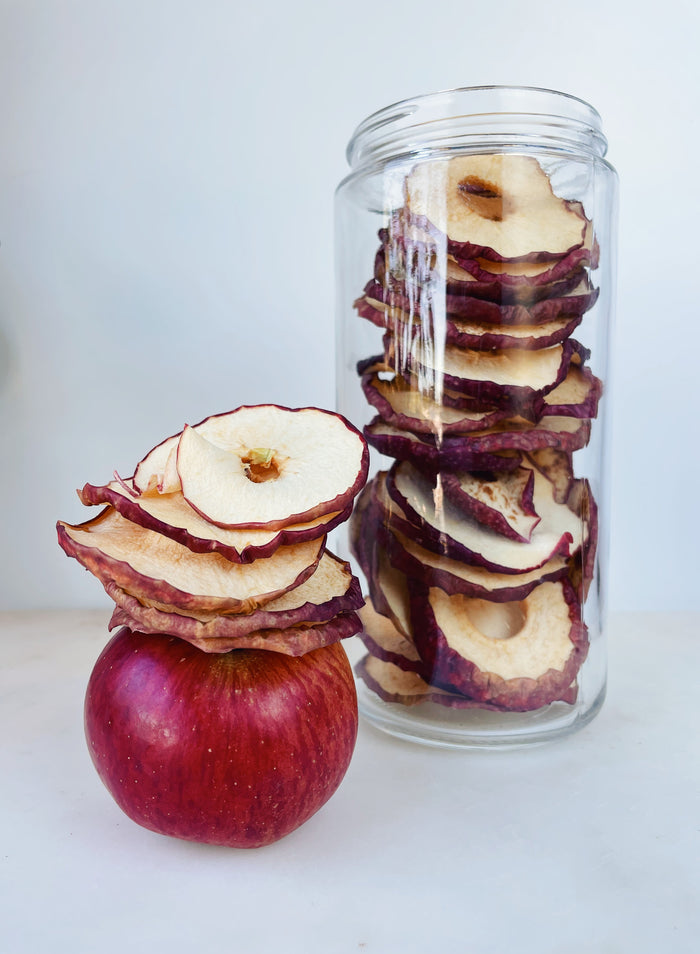
1. DEHYDRATED APPLE BITES
Dehydrated apple bites provide a natural sweetness without added sugars and are rich in vitamins and fibre, aiding digestion and boosting dental health for pets. A great source of vitamins A and C, as well as potassium and antioxidants, they’re a low-calorie treat that can help keep your pet’s breath fresh while satisfying their sweet tooth. Using chickpea flour combined with blended apple or freshly made apple puree adds essential nutrients, making it a suitable low-calorie treat for dogs, particularly those on a diet. Utilising extra or overripe apples is a great way to minimise wastage and create a treat that pets can enjoy, which is perfect for training or filling hollow enrichment toys.
To create, slice apples and blend them well with chickpea flour in a blender. You can add a small amount of all-natural peanut butter to help bind the ingredients together and provide that extra nutty flavour that pets love. Cut the mixture into uniform bite-size pieces and place them in the preheated dehydrator (see our guide on times and temperature below), ensuring they’re not touching so they dry evenly.
-

2. DEHYDRATED CHICKEN BITES
Dehydrated chicken bites offer a high protein content for pet treats, ideal for training and/or interactive toy fillers. Low in fat and calories but a rich source of vitamins and minerals, including niacin, selenium, and phosphorus, these nutrients support various bodily functions, including metabolism, energy production and bone health.
Like all other dehydrated chicken treats, dehydrated chicken bites offer essential amino acids that support muscle growth, development, and overall health. They’re also an excellent choice for those with athletic and active pets and are often considered a safe and hypoallergenic option for pets with food sensitivities or digestive issues.
Combining chickpea flour with chicken adds extra nutrients and benefits, such as added fibre, which supports healthy digestion while reducing calories and carbs, making them suitable for pets on a diet. With a savoury flavour that pets love, dehydrated chicken bites provide a nice chewy texture, which is also ideal for puppies. Making dehydrated chicken bites also utilises excess chicken parts or trimmings, as chicken is a readily available meat, allowing for cost-effective production and minimising waste.
-

3. DEHYDRATED FISH BITES
Dehydrated fish bites made with tuna are rich in omega-3 fatty acids that promote a healthy coat, joints, brain function, and digestive health in pets. Fish is a high-quality, easily digestible source of protein for pets, so dehydrated fish bites make excellent treats for dogs with sensitive tummies or allergies, older dogs with digestive issues, or any dog that requires a more controlled diet, as they’re low in calories and fat.
Dehydrated fish bites are packed with essential amino acids that support muscle development, boost energy, and support overall health and well-being. They can also assist in reducing inflammation and contain omega-3 acids, which are essential for a dog’s growth and early development. Due to their chewy texture, they’re also an excellent training treat for puppies and a good choice for enrichment toys.
Made with lean ground tuna, combine with chickpea flour for added nutrients and benefits and mix well. Roll into bite-size pieces and dehydrate at the recommended time and temperature, as outlined below.
-

4. DEHYDRATED MACKEREL BITES
Dehydrated mackerel bites are a nutritious dog treat filled with omega-3 fatty acids that help improve a pet’s coat, cognitive function, and joint health. They provide a strong fishy flavour and chewy texture, making them a high-reward treat for training. Like other fish treats rich in omega-3, dehydrated mackerel bites are a great pet treat for dogs who suffer from allergies or itchy skin, as they can help reduce inflammation.
Easily digestible and a rich source of lean protein for pets, dehydrated mackerel bites are packed with essential vitamins and minerals, including vitamin B12, vitamin D and essential amino acids that boost energy and immunity and improve heart health. They’re also suitable for older dogs with arthritis and younger puppies to support their brain development.
For business owners, utilising sustainably caught mackerel offers your customers a unique and healthy fish-based treat and highlights responsible sourcing practices that can attract conscious consumers.


Dehydrated offal and offcuts
Dehydrating offal and off-cuts for pet treats, particularly for dogs, has become increasingly popular due to their cost-effectiveness, nutritional benefits, and potential for business expansion if you’re a butcher or business owner. They’re also a sustainable choice for pet treats because they’re crafted from parts of the animal that might otherwise go to waste, such as hearts, kidneys, or lungs, minimising wastage for businesses and increasing profit margins. For pets, dehydrated offal and off-cuts offer a range of textures and flavours, and they’re filled with nutrient-rich properties such as essential vitamins, minerals, and amino acids that support a pet's overall health.
Dehydrating these meats for pet treats provides a convenient and portable option for pet owners, making it easier to ensure their pets receive the nutrients they need. If dehydrating treats at home, pet owners can save a significant amount of money instead of purchasing pre-made store alternatives that could be filled with other preservatives and ingredients all while keeping their pets happy, too!
When it comes to preparation, all offals and offcuts should be thoroughly cleaned before dehydration, with any excess fat removed to prevent spoilage. For a quick overview, follow our guide to drying times and temperatures.
Some other popular varieties of dehydrated offal and offcuts include dehydrated beef hearts, chicken gizzards, and pork lung chips, but really, there are an endless amount of offal and offcuts that can be used to make nutrient-rich dehydrated pet treats.
See some of the most popular below.
-

1. DEHYDRATED PIG'S EAR
Dehydrated pig’s ears are definitely one of the most popular dehydrated pet treats out there due to their delicious taste and multiple health benefits. Being a single-ingredient product without any preservatives or additives, they're a safe option for dogs of all sizes, offering softer cartilage and texture, making them easy to chew, super digestible, and ideal for senior pets or those with dental problems.
Containing essential proteins that are vital for muscle development, growth, and repair, dehydrated pig's ears also contain glucosamine and chondroitin, which support joint health and better mobility and flexibility in dogs.
Because of their chewy texture, dehydrated pig’s ears promote healthy gums, clean teeth, and fresh breath and stimulate pets’ chewing instincts. This chewing behaviour has benefits in itself, naturally promoting dopamine, which reduces overall stress and keeps pets happy. Also, being flavourful even after extended chewing makes them an enjoyable and long-lasting treat.
For businesses, utilising pig’s ears reduces waste and provides an affordable and popular pet treat option, attracting customers looking for high-protein and shelf-stable snacks. To ensure pig’s ears are ready for dehydration, wash them well, remove any hair or debris, and trim off any excess fat, which will help prevent spoilage and ensure even drying time.
-

2. DEHYDRATED GOAT'S HORN
Dehydrated goat horns are a single-ingredient treat sourced from Australian goats, and their tough, durable nature makes them an ideal chew for dogs with strong jaws, providing long-lasting entertainment and dental benefits. All natural with no additives or preservatives, dehydrated goat horns are high in protein and low in fat and help promote healthy skin and coat due to their high keratin content. They’re also a great dental aid, helping to remove plaque and tartar build-up to improve oral health and hygiene, and they help to boost energy and muscle development in dogs, being a rich source of protein.
Dehydrated goat horns are safe and provide a tasty flavour, making them satisfying and enjoyable for pets that love to chew. They’re an excellent choice for pet owners looking for a natural treat that provides both mental stimulation and dental benefits.
For butchers and business owners, making dehydrated goat horns helps minimise waste and provide an additional income stream from parts of an animal that may otherwise be discarded. To prepare, ensure the goat horns are washed well, and any dirt or debris is removed before dehydration.
-

3. DEHYDRATED BEEF TRACHEA
Made from a cow’s windpipe (the cartilage tube that leads from the mouth to the lungs), dehydrated beef trachea, like pig’s ears, is full of goodness and provides numerous health benefits for pets. Beef trachea is an excellent option for those pets who may be overweight or on a weight management plan, as it’s lower in calories and fat than pig’s ears but still provides a satisfying flavour and long-lasting treat.
Known as one of the safest chews for pets because of its softer cartilage and texture and lack of sharp jagged edges, dehydrated beef trachea is 100% digestible and considered a great dehydrated treat for dogs 16 weeks or older as a beginner bone-free chew.
Filled with nutrients, dehydrated beef trachea is naturally rich in chondroitin and glucosamine, which support mobility, joint health, and flexibility in pets, and collagen, which promotes healthy skin, nails, coat, and digestion. Dehydrated beef trachea is also high in protein and, therefore, amino acids, supporting muscle development, repair, and recovery. It also cleans plaque and tartar, encouraging good dental health.
And, as with other offal and offcuts, dehydrated beef trachea not only provides another income stream and customer offering for business owners but also helps minimise waste, using parts that would otherwise be discarded.
To prepare for dehydration, clean the beef trachea thoroughly and remove any excess fat to prevent spoilage. Follow our guidelines below for recommended drying time and temperature.
-

4. DEHYDRATED CHICKEN FEET
Dehydrated chicken feet are made of tendons, skin, and cartilage, offering an extremely crunchy and nutritious treat for dogs of all sizes. Packed with protein and calcium, they’re another pet treat great for mobility, bones, teeth and muscle repair and development, making them suitable for older dogs and pups over three months.
As with other dehydrated offals and offcuts, dehydrated chicken feet provide numerous dental benefits, reducing plaque and tartar buildup, are a satisfying chewable treat that encourages a pet’s natural chewing instinct, boosts dopamine levels and reduces stress or anxiety, and can be an excellent chew option for those with sensitive stomachs or lighter chewers.
Dehydrated chicken feet are also a rich source of glucosamine and chondroitin, which support joint mobility, and collagen and omega-3 fatty acids, which promote a healthy coat and skin. Unlike other treats contributing to weight gain, dehydrated chicken feet are also considered low in fat.
Another plus is that compared to other pet treats, dehydrated chicken feet are relatively inexpensive, making them an affordable treat for pet owners and a great customer offering for businesses. Although they’re safe to chew and don’t splinter when crushed easily, their smaller size can make them a choking hazard, so it’s always suggested that pets are supervised when eating them.
To prepare for dehydration, rinse chicken feet thoroughly and remove any feathers or debris. Follow our guidelines below to ensure they’re completely dried and crunchy before storing.
-
Other dehydrated offal and offcuts
See our detailed list below of dehydrated offal and offcuts that can be made using one of our dehydrators from Commercial Dehydrators.
- Dehydrated goat heart
- Dehydrated goat trotter
- Dehydrated goat tripe (stomach lining)
- Dehydrated pig trotter
- Dehydrated cow hooves
- Dehydrated chicken feet
- Dehydrated chicken heart
- Dehydrated kangaroo heart
- Dehydrated kangaroo lung
- Dehydrated lamb lung
- Dehydrated pork lung
- Beef lung
- Pig's snouts
- Oxtail
- Chinstrap (beef cheek)
- Lamb's ears
- Duck feet
- Beef kidney
- Beef heart
-


Dehydrated powders and supplements
(suitable for joints and mobility, skin health and provides anti-inflammatory benefits)
Dehydrated powders and supplements are a convenient way to enhance pet nutrition and can be made from various ingredients, including vegetables, fruits, and proteins like liver or fish and even bone broth. These powders can be sprinkled on top of regular pet food to provide extra flavour and nutrients and are popular among health-conscious pet owners seeking to improve their pet's diet or support their overall health and well-being.
Businesses can tap into this market by producing dehydrated powders and supplements with specific health benefits, simply by dehydrating the meat or various ingredients to remove the moisture and grinding it into a powder. Examples include salmon powder for skin and coat health, pumpkin powder for digestion, and liver powder for added protein.
See our page on dehydrated powders for more information on how to dehydrate various vegetables, etc.
-
1. DEHYDRATED SHARK CARTILLAGE
As mentioned above, in our dehydrated bones and chews section, dehydrated shark cartilage is low in fat and provides lots of nutritional benefits for pets, being that it’s rich in omega-3 fatty acids, calcium, chondroitin, glucosamine and protein. Benefits include supporting bone, joint and heart health, reducing inflammation, maintaining healthy muscles, and boosting skin and coat health.
While dehydrated shark cartilage is a great, long-lasting chew for pets, grinding it down into a dehydrated powder means that pet owners can add the supplement to food to boost the nutrient level, making it a good option for older pets suffering from arthritis or other joint pain. The dosage should be low to begin with and can vary depending on the pet's weight anywhere from one teaspoon for dogs of less than 15 kg to four teaspoons for dogs over 40 kg.
Follow the same dehydration process above and then grind into a powder form, storing in an airtight container or jar to ensure the best shelf life.
-

2. DEHYDRATED ABALONE POWDER
Abalone is a marine snail that lives on reefs and has a single shell with a fleshy body. Rich in nutritional benefits, dehydrated abalone is an excellent source of protein, iodine, iron, magnesium, selenium, copper, potassium, phosphorus, sodium, zinc, selenium, vitamins B12, A and E, omega-3s and is low in saturated fats.
When made into a powder, dehydrated abalone is a fantastic supplement for dogs. It supports cardiovascular and joint health, boosts energy and stamina, supports muscle development and repair, improves liver function, provides anti-inflammatory benefits, and reduces the risk of infection or illness.
As with dehydrated shark cartilage powder, it’s recommended that pets start on a low dosage of dehydrated abalone powder one teaspoon for smaller pets, two teaspoons for pets between 15 and 30 kg, three teaspoons for pets 30 to 40 kg, and four teaspoons for pets over 40 kg however, results can vary, and it's essential to monitor.
To dehydrate abalone, ensure it is deshelled and cleaned thoroughly and cut into smaller uniform size pieces approximately half a centimetre thick to ensure quick drying times. Follow the dehydration guidelines below for time and temperature, but ensure it’s completely dry and cooled before grinding into a powder to prevent spoilage.
-

3. DEHYDRATED MUSSEL POWDER
Blue mussels, commonly found along European coastlines, are a nutritious choice for pets and are often considered a better option than other shellfish because of their natural omega-3 content and anti-inflammatory properties. Dehydrated mussels are a popular treat, but converting them into a supplement powder to sprinkle over a pet’s food can provide concentrated nutrients and support with common health concerns such as arthritis and decreased mobility. Rich in vitamins including A, B12 and C, dehydrated mussel powder can improve a dog’s vision and brain function, reduce inflammation and support a healthy nervous system. It is also an excellent source of protein and contains minerals such as potassium, calcium, iron, zinc, selenium, phosphorus and magnesium. These nutrients contribute to healthy skin and coat, boost immunity, improve joint health, provide energy, and support both heart and kidney function. Dehydrated mussel powder is also suitable for overweight dogs, as it is naturally low in calories.
When introducing dehydrated mussel powder into a pet’s diet, it’s important to start with small quantities to rule out shellfish allergies, which may show as an upset stomach, itchiness or sneezing. For smaller pets, begin with one teaspoon, two teaspoons for pets between 15–30 kg, three teaspoons for pets 30–40 kg, and four teaspoons for pets over 40 kg, adjusting as needed based on the pet’s response.
To dehydrate blue mussels, make sure they are deshelled and cleaned thoroughly. Cut them into small, uniform pieces around half a centimetre thick to ensure quicker drying. Follow the recommended dehydration guidelines for time and temperature, but always check that they are completely dry and cooled before grinding into a fine powder. This step helps prevent spoilage and ensures a safe, high-quality supplement for pets.
-

4. DEHYDRATED EGG POWDER
Eggs provide a heap of nutrition to both humans and animals, making dehydrated egg powder a great addition to a pet’s food bowl. Considered the highest-quality protein for pet food, dehydrated eggs are packed with essential nutrients such as vitamins A, D, and B, calcium, phosphorus, and amino acids. They also contain healthy fats, including omega-3 fatty acids, which contribute to healthy skin and coat, reduce inflammation, and support brain function.
Being rich in protein, dehydrated egg powder also supports muscle development and maintenance, is highly digestible, making it a great protein source for pets with sensitive stomachs, and provides antioxidants to boost immunity, reducing the risk of infections and improving overall health.
With dehydrated egg powder for pets, the eggshell can also provide health benefits and be included in the dehydration process. Super rich in calcium, dehydrated eggshells are great for all dogs, especially puppies, pregnant or older dogs, as they keep bones and teeth healthy and strong and support blood and heart health.
As with other powders, introduce dehydrated egg powder to pets gradually. 100 g of eggshell powder is believed to contain around 33-35 g of calcium, and one teaspoon has approximately 5 g of calcium, so, depending on the pup's age and dietary needs, add accordingly and ensure other nutrients are included to maintain a well-balanced diet.
To make dehydrated egg/eggshell powder, crack the eggs into a blender and pulse until fluffy and smooth, keeping the eggshells aside, and pour the blended egg mixture onto stainless steel trays. With the egg shells, ensure they’re thoroughly rinsed and place them evenly on a separate tray to dehydrate. Follow the guidelines below for recommended dehydration time and temperature, but check that it’s completely dry, with a crumbly texture and no moisture before removing it. Allow the dehydrated eggs and eggshells to cool before blitzing in a blender separately.


Dehydrated biscuits and chips
Pre-treatment and Preparation
As mentioned earlier, when it comes to preparing meat for dehydration, a lot of information will tell you that it’s necessary to pre-cook the meat as a part of the pre-treatment process to ensure a quality product safe for consumption, which goes for pets, too. This is because many dehydrators on the market don’t reach the high temperatures needed to kill off any bacteria that may cause illness or ruin your finished product during storage.
At BenchFoods, our machines are made of high-quality, 304 food-grade stainless steel, ideal for dehydrating meat and other produce. They also reach a high temperature of 90°C (195°F), which ensures the meat’s internal temperature reaches the required kill step of 74°C (165°F) resulting in a dehydrated product that’s safe for pets to consume.
How you cut your meat will depend on the types of dehydrated pet treats you’re making and how you plan to store it. If you’re creating jerky, meat should be sliced thinly before dehydration. If you plan to create sticks or bites, you may choose to cut them in the preferred size beforehand rather than doing it afterwards. Remember to keep the cuts uniform when dehydrating in batches so that each piece dehydrates evenly and within the same timeframe.
It’s also important to remove fat from any meat you are dehydrating for pets before dehydration, as this can impact the dehydration time and process and cause dehydrated pet food or treats to spoil during storage.
Drying times
Unlike kibble, which undergoes processing at high temperatures, dehydrated pet food or treats are carefully crafted at lower temperatures, allowing for a gradual moisture removal process that preserves the food's nutritional value and flavour. Making dehydrated pet food or treats doesn’t include any harmful chemicals, preservatives, fillers or by-products that can be found in dry dog food or store-bought treats either, which results in a healthier and more nutrient-rich option for a pet’s diet, ultimately promoting overall health and well-being.
When it comes to drying times for meat, bones, offal and offcuts, it really depends on the type of meat or item you’re dehydrating and how it’s cut. Thinner slices will take less time than chunks of meat, but it's essential to allow all meat to dehydrate fully to ensure safety and prevent spoilage during storage. When beginning the dehydration process, we recommend increasing the temperature for at least a few hours so the internal meat temperature reaches the required kill step temperature of 74°C (165°F).
*Once this is achieved, the heat can be reduced slightly to the temperatures outlined below.
Dehydrated beef jerky – 4-6 hours, approx. 75°C (167°F).
Dehydrated lamb jerky – 4-6 hours, approx. 75°C (167°F).
Dehydrated chicken jerky – 3-5 hours, approx. 75°C (167°F).
Dehydrated fish jerky – 4-8 hours, approx. 55°C (130°F).
Dehydrated kangaroo jerky – 4-6 hours, approx. 75°C (167°F).
Dehydrated shark cartilage – 12-14 hours, approx. 70-75°C (158-167°F).
Dehydrated kangaroo tail/discs – 12-16 hours, approx. 70-75°C (158-167°F).
Dehydrated beef tendon (paddy wack) – 12-16 hours, approx. 70-75°C (158-167°F).
Dehydrated bully stick (beef pizzle) – 12-16 hours, approx. 70-75°C (158-167°F).
Dehydrated chicken necks – 8-12 hours, approx. 70-75°C (158-167°F).
Dehydrated sardines – 4-8 hours, approx. 60-70°C (140-158°F).
Dehydrated beef liver – 6-10 hours, approx. 55-65°C (130-150°F).
Dehydrated kangaroo liver – 6-10 hours, approx. 65-70°C (150-158°F).
Dehydrated lamb liver – 6-10 hours, approx. 65-70°C (150-158°F).
Dehydrated chicken liver – 6-10 hours, approx. 65-70°C (150-158°F).
Dehydrated goat liver – 6-8 hours, approx. 55-65°C (130-150°F).
Dehydrated apple bites – 6-10 hours, approx. 55°C (130°F).
Dehydrated chicken bites – 4-8 hours, approx. 70°C (158°F).
Dehydrated fish bites – 4-8 hours, approx. 60°C (140°F).
Dehydrated mackerel bites – 6-10 hours, approx. 60°C (140°F).
Dehydrated pig’s ears – 6-10 hours, approx. 65-70°C (150-158°F).
Dehydrated goat horn – 8-12 hours, approx. 65°C (150°F).
Dehydrated beef trachea – 10-14 hours, approx. 65°C (150°F).
Dehydrated chicken feet – 6-8 hours, approx. 65°C (150°F).
Dehydrated abalone powder – 6-10 hours, approx 55-65°C (130-150°F).
Dehydrated green-lipped mussel powder – 4-6 hours, approx. 55-65°C (130-150°F).
Dehydrated egg powder – 6-10 hours, approx. 60°C (140°F).
Dehydrated eggshells – 30 minutes, approx. 90°C (195°F).
MAKING DEHYDRATED JERKY FOR PETS
See our tips below for making dehydrated meat jerky for pets.
- Start by selecting a lean cut of meat, such as top round or sirloin for beef, breast or thigh for chicken or turkey, and trim any visible fat that can lead to spoilage during dehydration.
- Slice the meat into thin strips approximately half a centimetre to a centimetre thick (¼ inch-⅜ inch), and season with pet-safe seasonings if desired.
- Preheat your BenchFoods Dehydrator to approximately 70-75°C (158-167°F) and arrange the strips on dehydrator trays, ensuring they’re not touching and have space for proper air circulation.
- Follow our guide below for approximate dehydration times for each meat type. During the process, monitor the texture and ensure that the meat is completely dry to avoid spoilage when storing.

Best storage solutions and shelf life


Media grid
PREMIUM DOMESTIC, COMMERCIAL & INDUSTRIAL FOOD DEHYDRATORS
DESIGNED & ENGINEERED FOR THOSE WHO ARE SERIOUS ABOUT DEHYDRATING
Premium Domestic Dehydrators
-

 New Product LaunchSALE 23% Off
Premium Domestic Dehydrators
1 Zone / 10 Tray / 0.6m² Tray Area
NOW€191,95 EURWas€249,95Save€58Unit price /Unavailable -

 New Product LaunchSALE 25% Off
Premium Domestic Dehydrators
1 Zone / 10 Tray / 0.6m² Tray Area - Biltong Bundle
NOW€206,95 EURWas€276,95Save€70Unit price /Unavailable -


 Most PopularUp to 28% off
Premium Commercial Dehydrators
1 Zone / 16 Tray / 2.56m² Tray Area
From€754,95 EURWas€1.047,95Save€293Unit price /Unavailable -

 New Product LaunchSALE 29% Off
Premium Commercial Dehydrators
1 Zone / 16 Tray / 2.56m² Tray Area - Biltong Bundle
NOW€812,95 EURWas€1.152,95Save€340Unit price /Unavailable -

 New Product Launch
 -

 New Product Launch
 -

 New Product Launch
 -

 New Product Launch


Premium Commercial Dehydrators
-
Most PopularUp to 28% off
Premium Commercial Dehydrators
1 Zone / 16 Tray / 2.56m² Tray Area
From€754,95 EURWas€1.047,95Save€293Unit price /Unavailable -
New Product LaunchSALE 29% Off
Premium Commercial Dehydrators
1 Zone / 16 Tray / 2.56m² Tray Area - Biltong Bundle
NOW€812,95 EURWas€1.152,95Save€340Unit price /Unavailable -


 Large CapacityUp to 46% off
Premium Commercial Dehydrators
2 Zone / 28 Tray / 11.90m² Tray Area
From€4.074,95 EURWas€7.569,95Save€3.495Unit price /Unavailable -

 Large CapacityUp to 46% off
Premium Commercial Dehydrators
2 Zone / 28 Tray / 11.90m² Tray Area - Biltong Bundle
From€4.191,95 EURWas€7.778,95Save€3.587Unit price /Unavailable -

 Up to 26% off
Premium Commercial Dehydrators
2 Zone - Horizontal / 32 Tray / 5.12m² Tray Area
From€1.939,95 EURWas€2.618,95Save€679Unit price /Unavailable -

 SALE 27% Off
Premium Commercial Dehydrators
2 Zone - Horizontal / 32 Tray / 5.12m² Tray Area - Biltong Bundle
NOW€2.067,95 EURWas€2.827,95Save€760Unit price /Unavailable -

 Up to 26% off
Premium Commercial Dehydrators
2 Zone - Vertical / 32 Tray / 5.12m² Tray Area
From€1.939,95 EURWas€2.618,95Save€679Unit price /Unavailable -

 SALE 27% Off
Premium Commercial Dehydrators
2 Zone - Vertical / 32 Tray / 5.12m² Tray Area - Biltong Bundle
NOW€2.067,95 EURWas€2.827,95Save€760Unit price /Unavailable


High-Capacity Industrial Dehydrators
-

 Up to 20% off
High-Capacity Industrial Dehydrators
1 Trolley / 30 - 60 Tray / 8.8 - 17.7m² Total tray area
From€24.790,95 EURWas€30.869,95Save€6.079Unit price /Unavailable -

 Up to 25% off
High-Capacity Industrial Dehydrators
2 Trolley / 60 - 120 Tray / 17.7 - 35.3m² Total tray area
From€34.946,95 EURWas€46.596,95Save€11.650Unit price /Unavailable -

 Up to 33% off
High-Capacity Industrial Dehydrators
4 Trolley / 120 - 240 Tray / 35.3 - 70.7m² Total tray area
From€52.421,95 EURWas€78.461,95Save€26.040Unit price /Unavailable -

 Up to 36% off
High-Capacity Industrial Dehydrators
8 Trolley / 240 - 480 Tray / 70.7 - 141.3m² Total tray area
From€85.041,95 EURWas€132.805,95Save€47.764Unit price /Unavailable -

 Up to 32% off
High-Capacity Industrial Dehydrators
10 Trolley / 300 - 600 Tray / 88.3 - 176.6m² Total tray area
From€110.670,95 EURWas€163.095,95Save€52.425Unit price /Unavailable -

-

-


High-Volume Preparation Machines
-

 Up to 33% off
High-Volume Preparation Machine
Commercial All-In-One Food Slicer
From€1.453,95 EURWas€1.919,95Save€466Unit price /Unavailable -

 Up to 48% off
High-Volume Preparation Machine
NOW€127,95 EURWas€244,95Save€117Unit price /Unavailable -

 Up to 48% off
High-Volume Preparation Machine
NOW€127,95 EURWas€244,95Save€117Unit price /Unavailable -

 Up to 48% off
High-Volume Preparation Machine
NOW€127,95 EURWas€244,95Save€117Unit price /Unavailable -

 Up to 48% off
High-Volume Preparation Machine
NOW€127,95 EURWas€244,95Save€117Unit price /Unavailable -

 SALE 45% Off
High-Volume Preparation Machine
NOW€214,95 EURWas€389,95Save€175Unit price /Unavailable -

 SALE 45% Off
High-Volume Preparation Machine
NOW€214,95 EURWas€389,95Save€175Unit price /Unavailable -

 SALE 48% Off
High-Volume Preparation Machine
NOW€127,95 EURWas€244,95Save€117Unit price /Unavailable


